
Richmond County Previous Resident Sources
No single record names everyone who once lived at an Augusta address. Property and deed records follow legal ownership. Directories and census schedules reach the household layer. Newspapers, probate, permits, plats, and maps help explain changes. Start with the source nearest the target era, but anchor the work to today’s parcel number and legal description before moving backward.
| Source | Years It Covers | Where Held | What It Shows |
|---|---|---|---|
| Tax parcel layers | Current, future, previous coded tax years | Augusta Maps | Owner, site and mailing clues, value, homestead, geometry |
| Deed index | Richmond online cutoff not published | Superior Court Clerk and GSCCCA | Owners, parties, instruments, recording date, book and page |
| Augusta city directories | 1841 to present, with pre-1870 gaps | Georgia Heritage Room | Named occupants, addresses, spouse or work in some editions |
| Federal census | 1820–1930 locally; public through 1950 | Library and federal archives | Household members, ages, relationships, and location |
| Augusta Chronicle | 1792 to present | ARCPLS database | Sales, moves, obituaries, and legal notices |
| Sanborn maps | Exact Augusta sheet years require catalog check | Library of Congress and library | Building footprint, block, construction, and address context |
| Permits | Published coverage date not found | Planning and Development request | Work, dates, applicant or owner when releasable |
A recent address trail starts with Augusta Maps. An older trail may begin in a known directory or census year, then move forward and backward. Where the online deed index stops, the Clerk’s physical grantor and grantee books become the bridge. Richmond County’s exact oldest online deed year was not published, so no date should be assumed.
Start Richmond County Previous Resident History
Augusta Maps is the first current-address tool. Search a house number and a distinctive street fragment, choose the exact parcel site-address result, and open the parcel information. Record the PIN, site address, owner name, legal description, tax year, and any homestead clue shown. The site address is the parcel’s physical location. The owner mailing address is for tax mail. A mismatch may reflect an entity, a mailing choice, or an owner elsewhere, but it does not identify who occupies the property.
The official parcel service also retains deleted parcel polygons with a Retired status. A retired shape can be valuable when past residents are tied to a lot that was split or combined. It must not be presented as the current parcel. The Augusta parcel-layer metadata documents the fields and status logic.
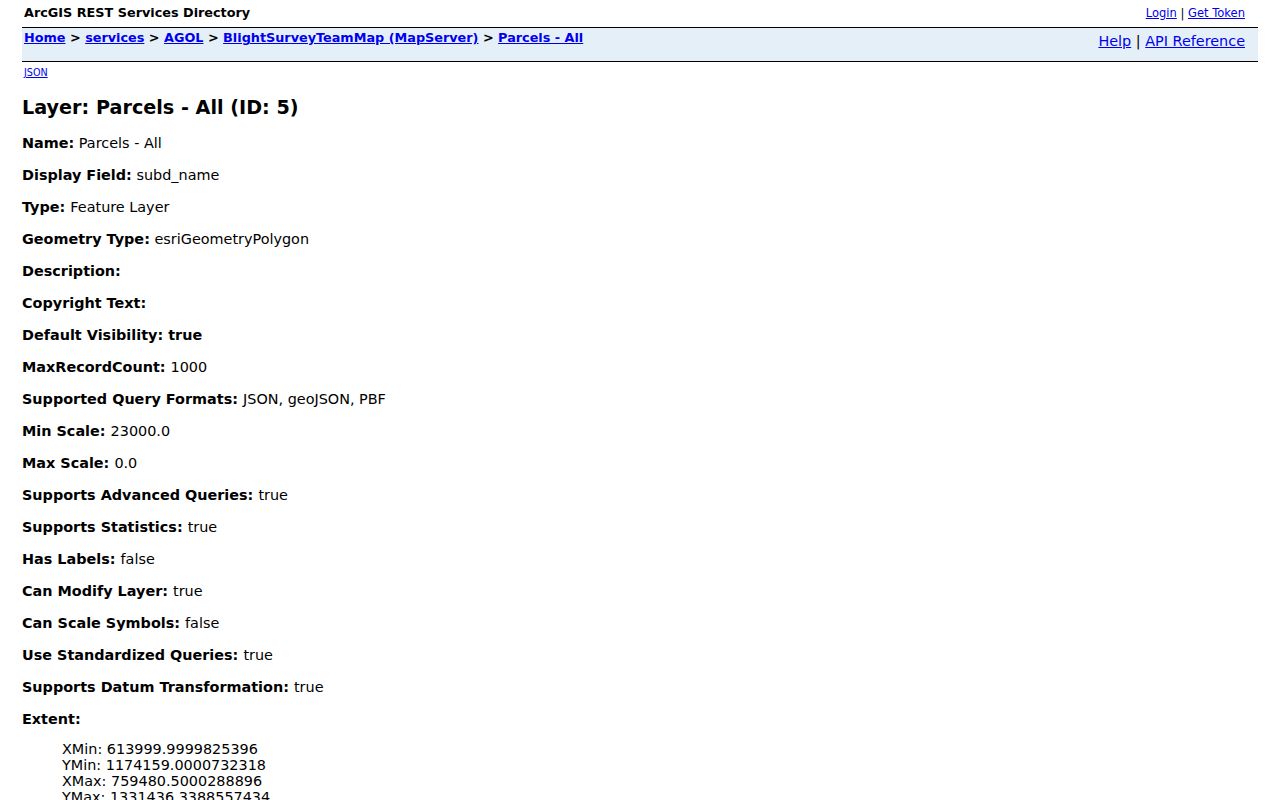
The captured layer page helps explain why parcel status and tax year must be saved with every historical address note.
Note: Homestead information can support an owner-occupancy theory for the correct tax year, but it does not name every person in the home.
Trace Richmond County Resident Records
The chain of title follows recorded ownership, not every occupant. Use the current owner from Augusta Maps as the first grantee search in the Georgia Superior Court Clerks’ Cooperative Authority system. A grantee receives an interest; a grantor transfers it. Once the acquisition deed is found, save both parties, the recording date, book and page or instrument number, and the legal description. Then search that seller as a grantee to find the seller’s earlier purchase.
- Confirm the present PIN and legal description in Augusta Maps.
- Search the current owner as grantee, then identify the acquisition deed.
- Copy the grantor, grantee, recording date, instrument, book/page, and land description.
- Search the grantor as an earlier grantee and repeat the same checks.
- At the digital boundary, take the last sound citation to the Clerk’s physical indexes.
- Grantor and grantee
- The grantor transfers an interest. The grantee receives it.
- Chain of title
- The linked series of recorded transfers for the same land.
- Legal description
- The lot, block, subdivision, boundary, or other land wording that can stay stable when a street number changes.
- Book and page
- A durable clerk citation used to retrieve a known recorded document.
GSCCCA separates deed, PT-61 transfer, lien, and plat indexes. Those results are not interchangeable. Address and map searches are premium modes; name and known book/page paths are the practical basic chain. Record each date with its label because execution and recording dates can differ.
The GSCCCA access page shows the statewide authority used for Richmond County real-estate records.
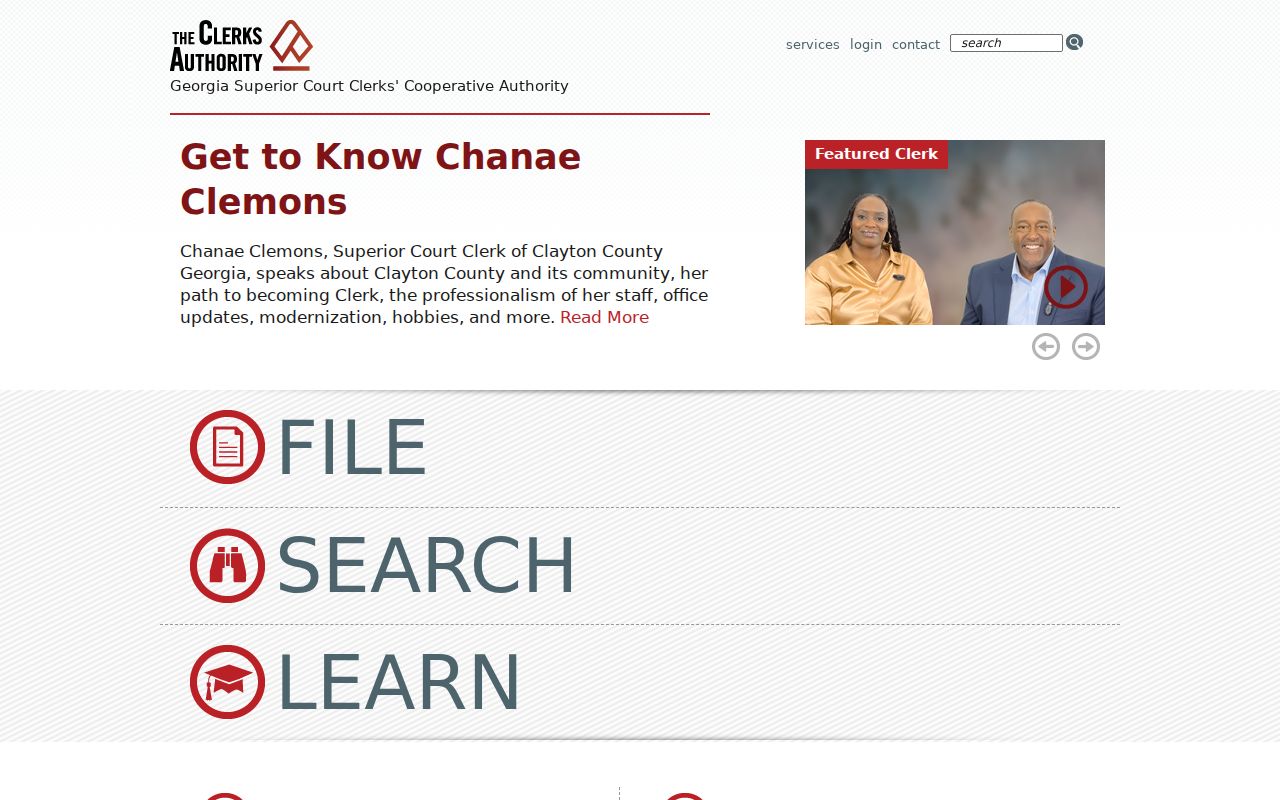
The image marks the official online starting point; the Richmond County Clerk remains the legal custodian and the fallback for physical indexes.
When Richmond County Online Records End
The public GSCCCA landing page does not state Richmond County’s first online deed year. Ask the Clerk of Superior, State and Juvenile Court for the cutoff and the Real Estate Division’s physical grantor/grantee indexes. Bring the last known book/page, both party names, an approximate date, and the legal description. This narrows the counter search without turning an unknown cutoff into a false fact.
Certified electronic copies can be requested through GSCCCA eCertification. Register, choose the county and document, and wait for clerk processing of the secured PDF. Older deed books and plats may also require the Clerk, the Georgia Archives catalog, Georgia Heritage Room sources, or FamilySearch Affiliate access onsite.
Best handoff. Keep book/page and the legal description constant when the street number, parcel boundary, or owner spelling changes.
Bridge Augusta Previous Residents
Augusta city directories run from 1841 to the present with some gaps before 1870. They can supply named occupants, a residence address, a spouse, and work details in some editions. Early fragile volumes are served on microfilm, while roughly the last 65 years are available as books in the Georgia Heritage Room. Ray Rowland’s personal-name index covers 1841 through 1902, which can speed an early search.
Use the name section and the street section as two views of the same published snapshot. Read the edition’s abbreviation key. Preserve the page, edition year, exact spelling, and the difference between home and business addresses. African American residents begin to be represented in the Augusta directories in 1872. A missing earlier name is a coverage warning, not proof the person was elsewhere.
The collection details and entry conventions are treated fully on the Richmond County city directory page. Here, the volume serves one address trail.
Pair Richmond County Directory Years
A city directory often names a householder, while a released census can show the larger household. Pairing them keeps the ownership chain from becoming a claim about all residents. The Georgia Heritage Room has federal census microfilm from 1820 through 1930. Federal public access now extends through the 1950 census under the 72-year rule.
- Choose the closest directory edition before the census date and copy the full address entry.
- Locate the census household, using names, street, nearby families, and enumeration geography as checks.
- Compare the next directory edition and note who remained, moved, appeared, or disappeared.
- Use deeds for legal ownership and newspapers or probate for events that explain the change.
An enumeration district is the area assigned to a census taker. It helps when an address is faint, renumbered, or not indexed well. A criss-cross directory is arranged by street and house number rather than surname. Neither source is complete. The safe conclusion states what each dated record shows.
Map Richmond County Previous Addresses
Plats and maps can resolve a break that names alone cannot. A plat shows surveyed lots and boundaries. The Library of Congress has digitized Sanborn fire-insurance maps, and Augusta sheets exist, but the local year run was not verified in the research. Check the catalog for the exact sheet and year before using one. A Sanborn sheet can show a building footprint, construction traits, block context, and an address used at that time.
Permit records may name a work type, date, applicant, or owner when releasable. Published portal material did not state the local coverage start. Route a narrow request to Augusta Planning and Development through the open-records system. Identify the address, likely date span, and existing permit type. Augusta’s general portal is not the path for deeds, court, probate, or vital files.
Explain Richmond County Resident Changes
The Augusta Chronicle database reaches from 1792 to the present for Richmond County cardholders. Sales notices, obituaries, probate notices, and reports of moves can explain why a name vanishes. The Augusta Vital Records Database indexes major Chronicle notices from 1982 through 2009. Cemetery indexes, the Elliot Funeral Home Index, and digitized African-American funeral programs add family and community links.
Use a newspaper notice as a finding aid, then locate the deed, probate file, or official vital record. Richmond County Probate Court handles wills and letters, while the Superior Court Clerk handles deeds and divorce files. The general Augusta records portal cannot supply those files. A past resident’s death may explain an estate deed, but it does not prove that every heir occupied the house.
Official correctional records can sometimes distinguish a historical person, but they should not be used as a substitute for the address chain. The Georgia Department of Corrections query is limited to its own custody records.
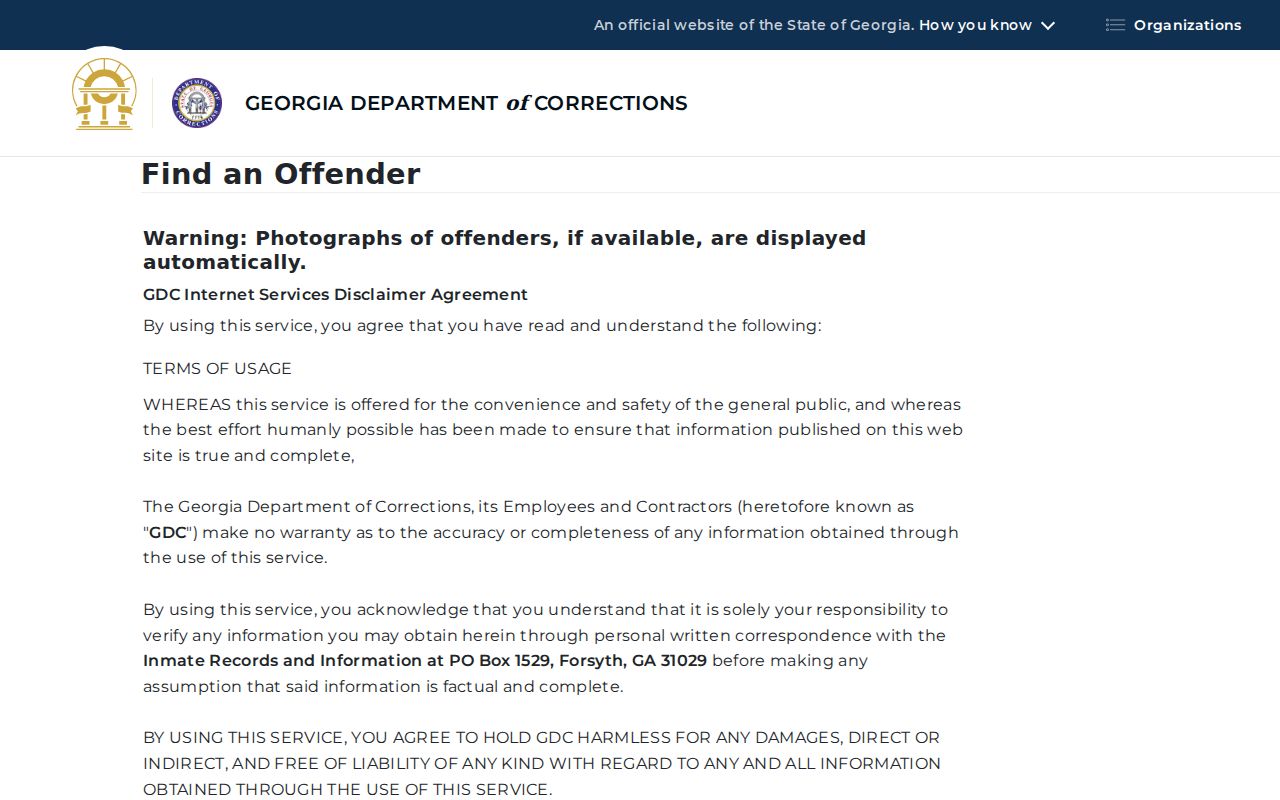
The result should be matched by identifiers and dates, then checked against a second source before it is connected to an address.
Use Richmond County Resident Findings
House history, genealogy, estate research, and personal curiosity are sound reasons to study past residents. Keep owners distinct from occupants. Do not infer that a mailing address is a home, that every person in a directory remained all year, or that a deed party lived on the land. Date each statement and retain the source citation.
Living people deserve added care. Stop at sealed, protected, or restricted records. Do not pursue protected voter addresses or private association rosters. Verify a copied claim with the custodian that created the record, and correct errors at that source when possible.
Lawful use. Richmond County previous-resident research is for legitimate personal and historical purposes. Never use it to stalk, harass, threaten, or track a living person.